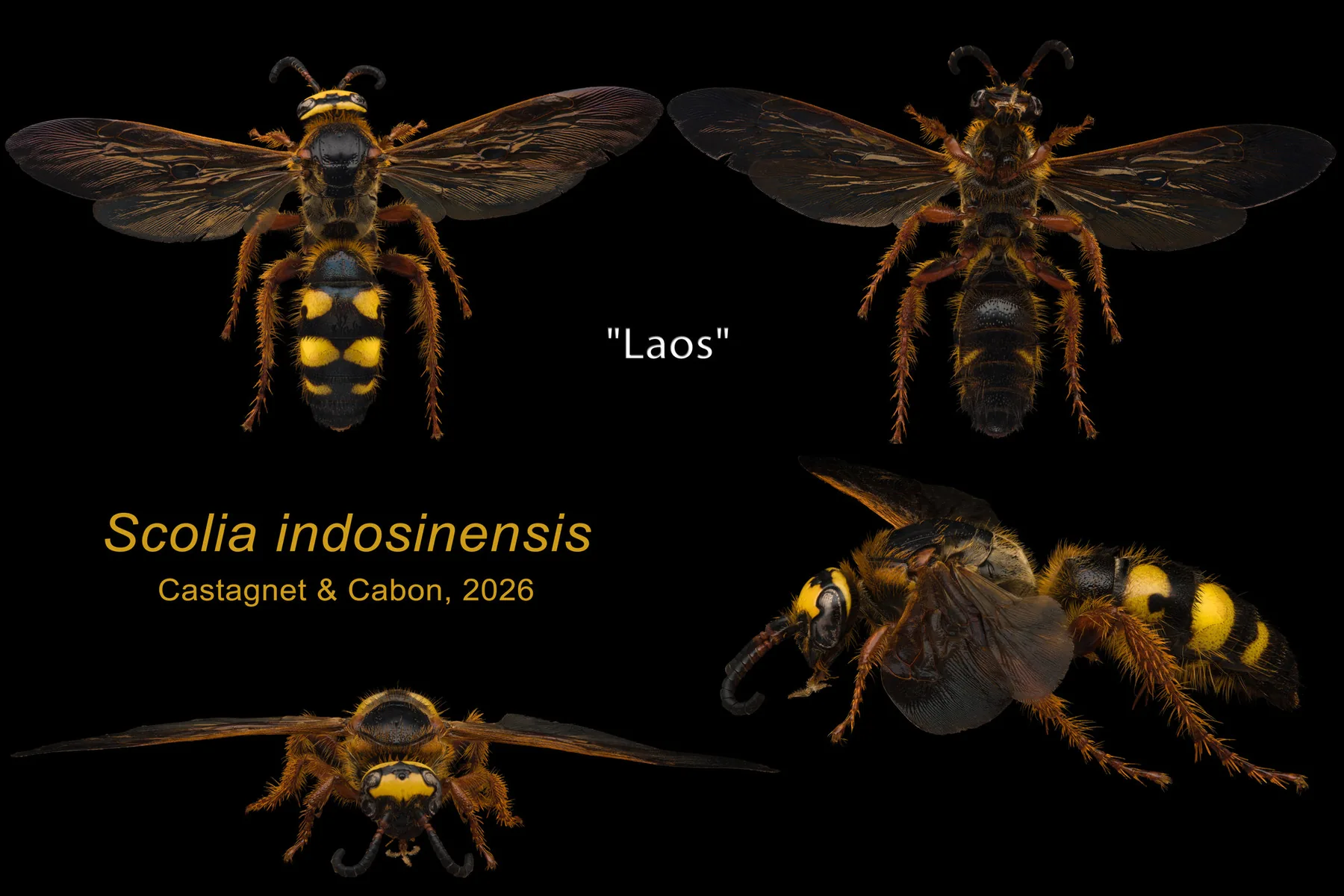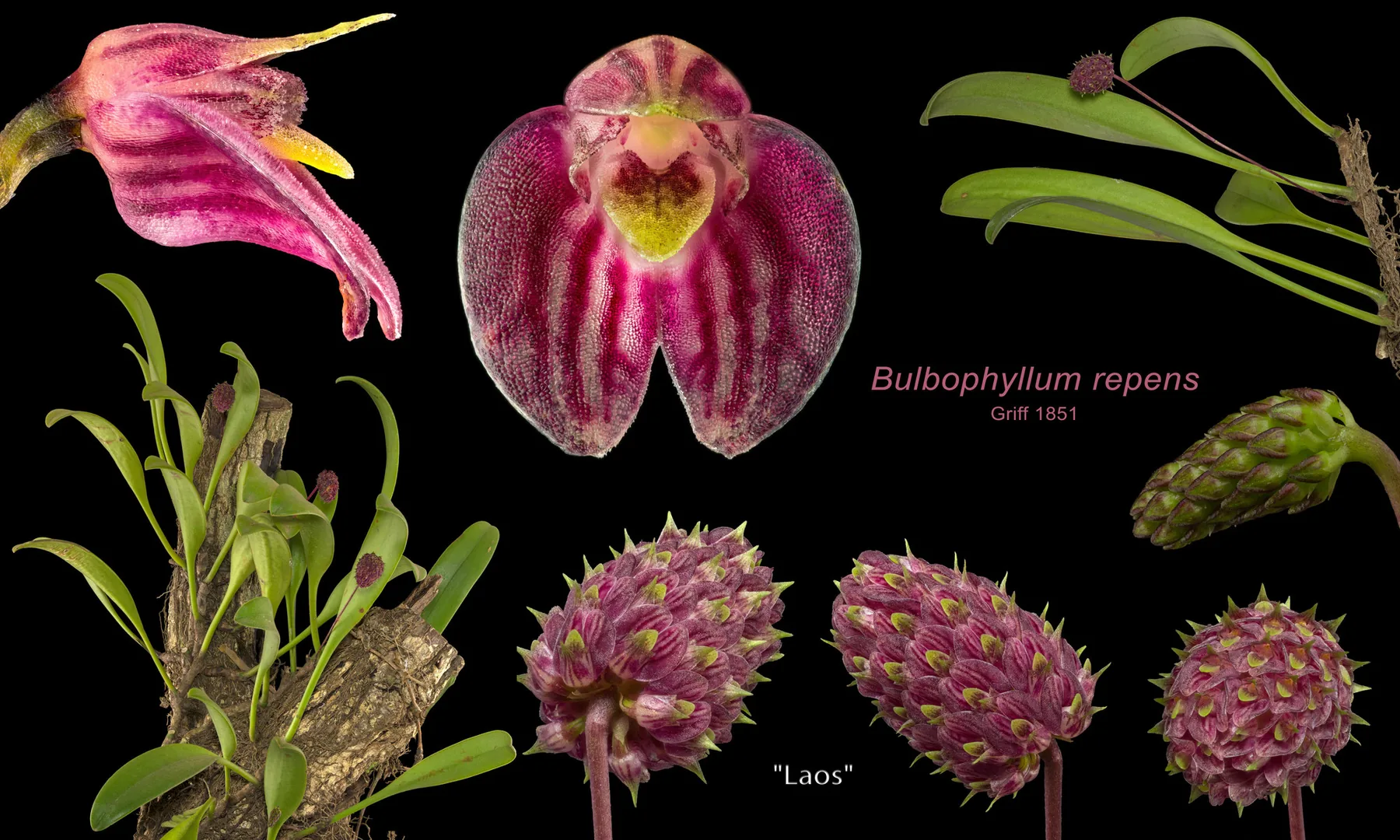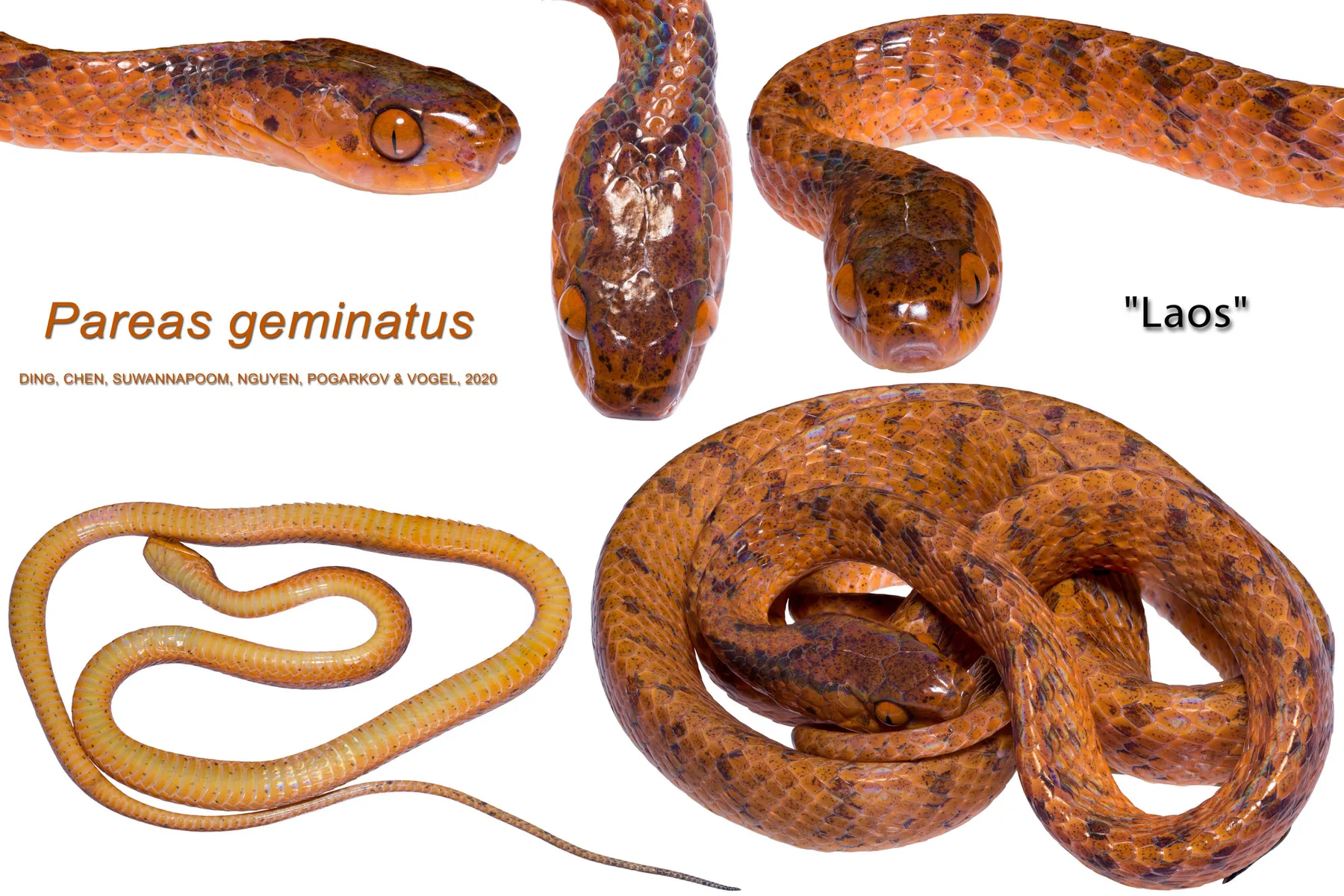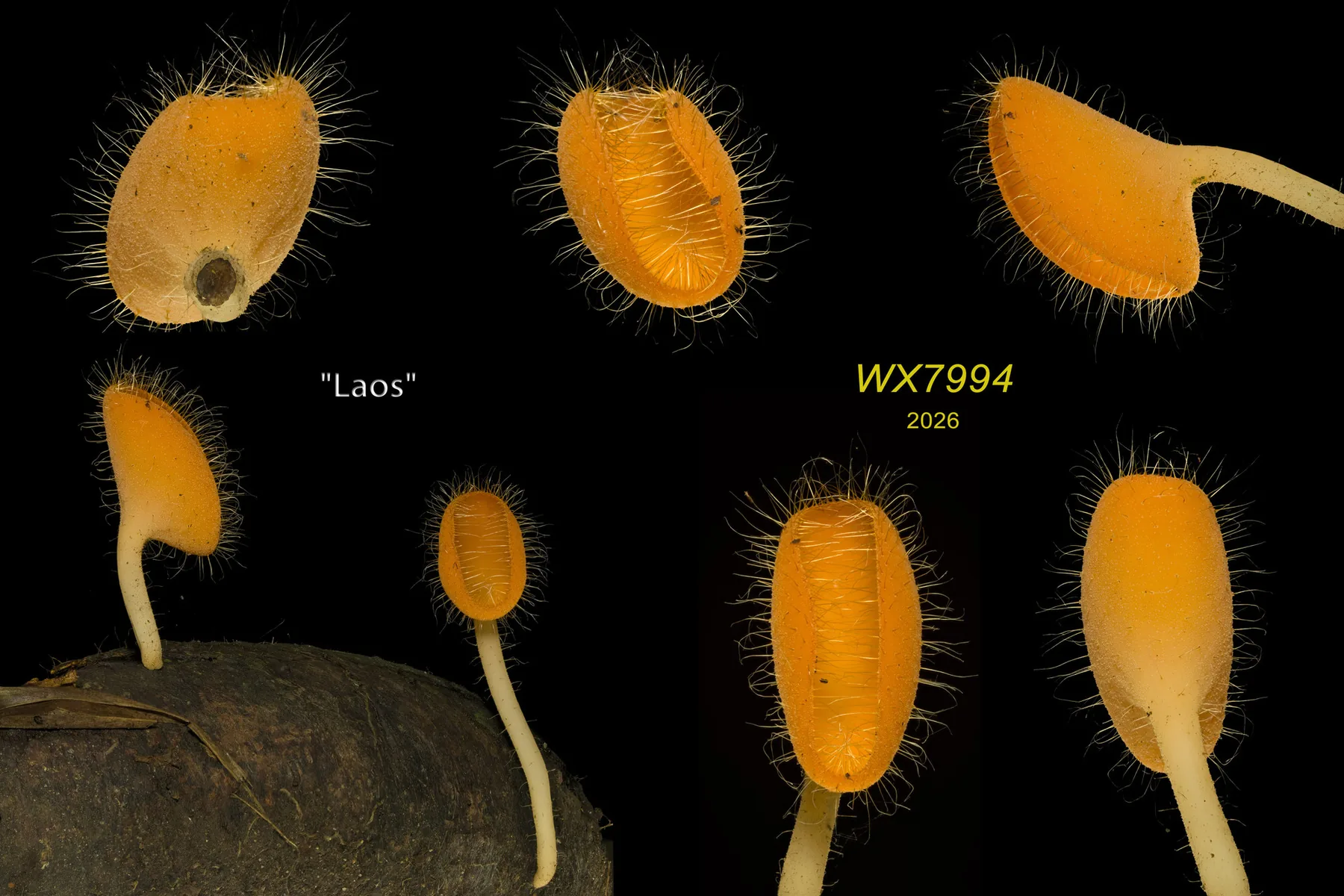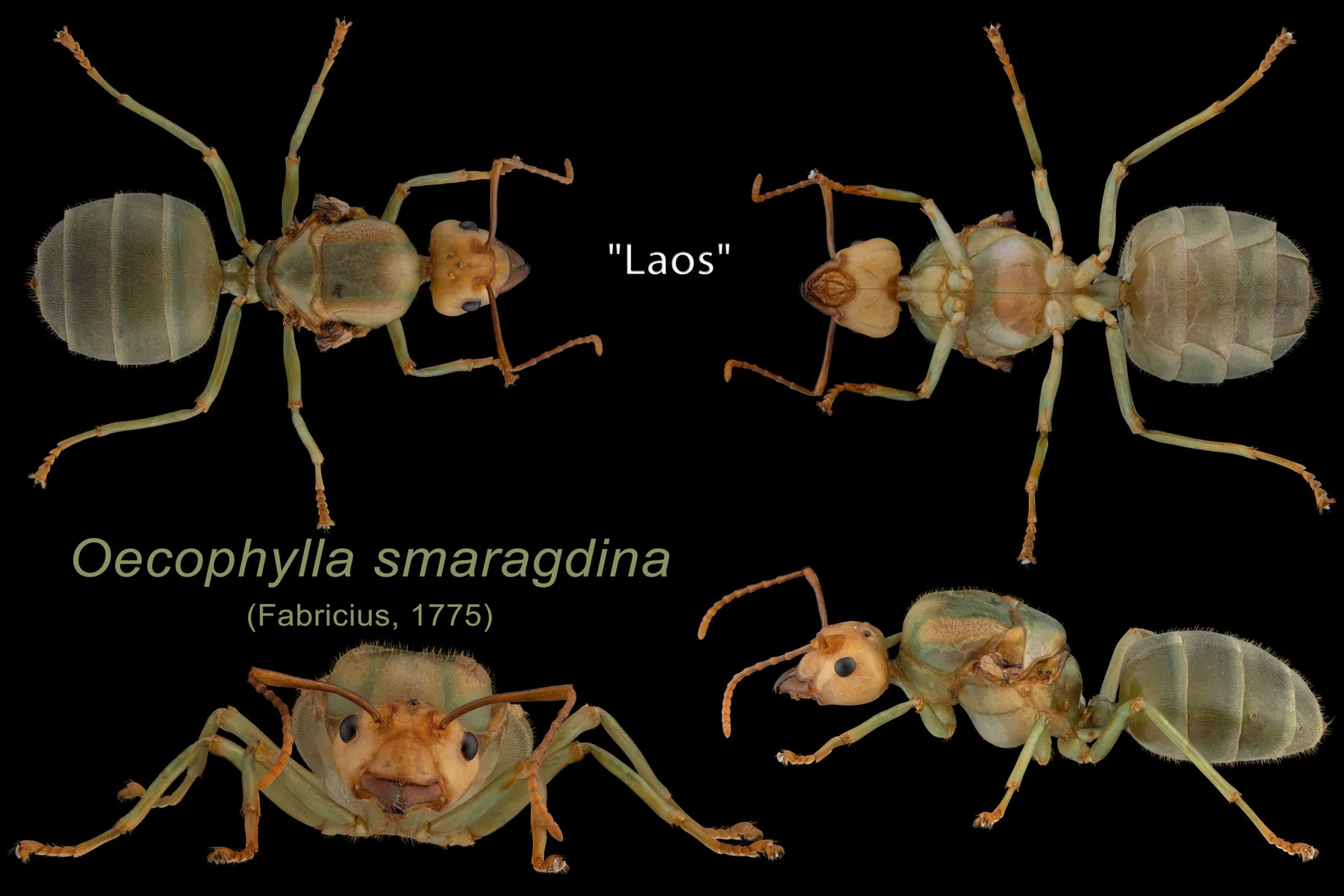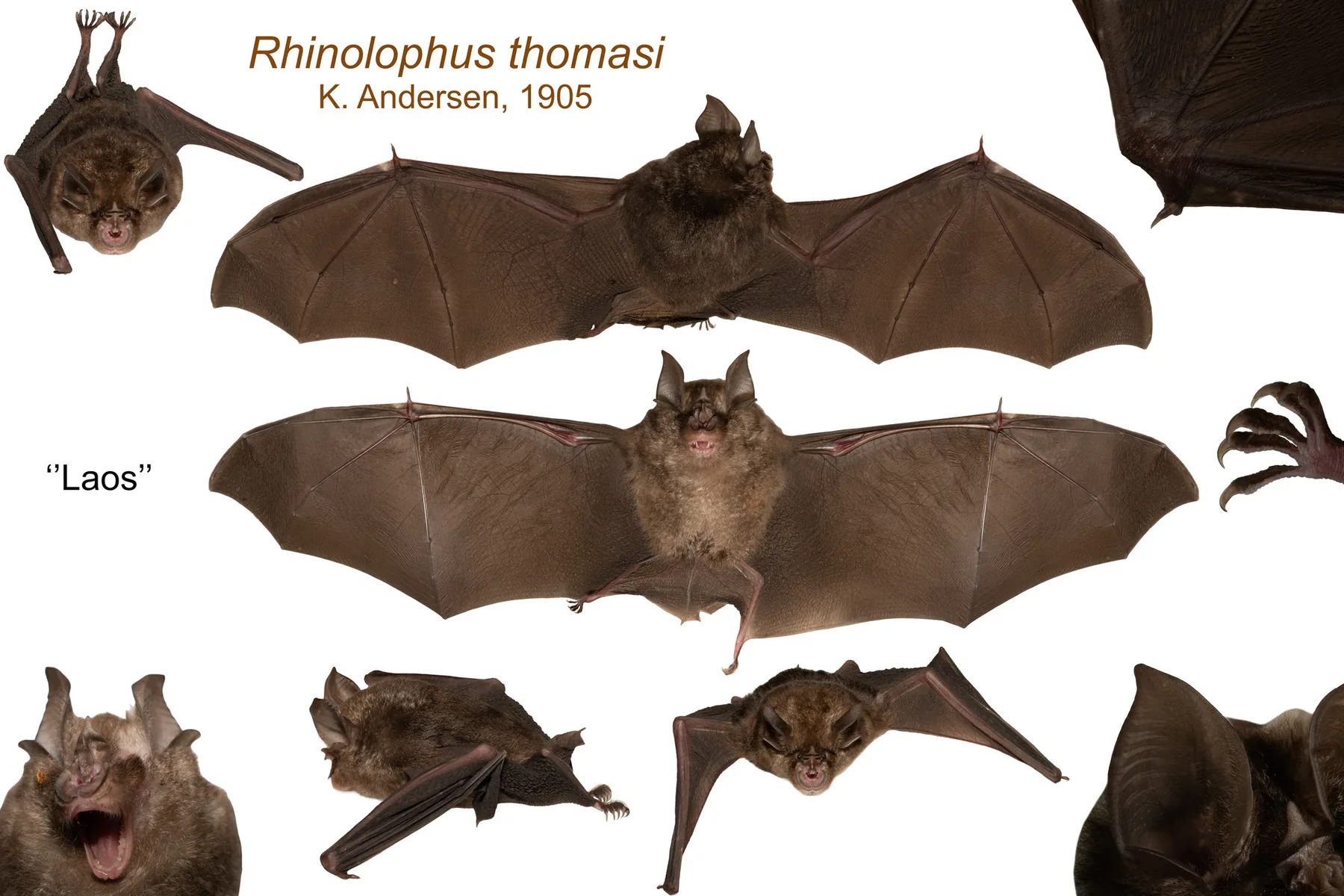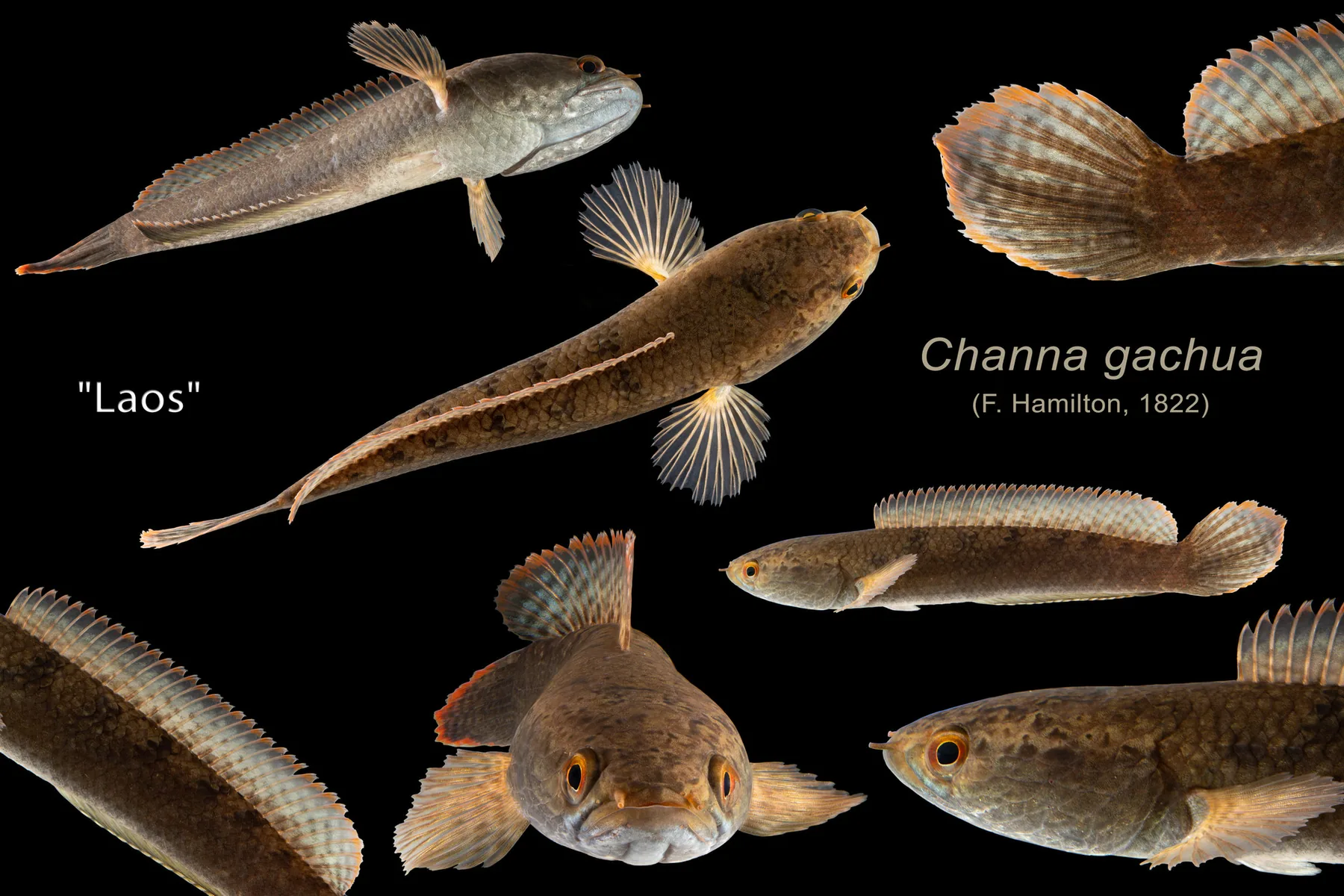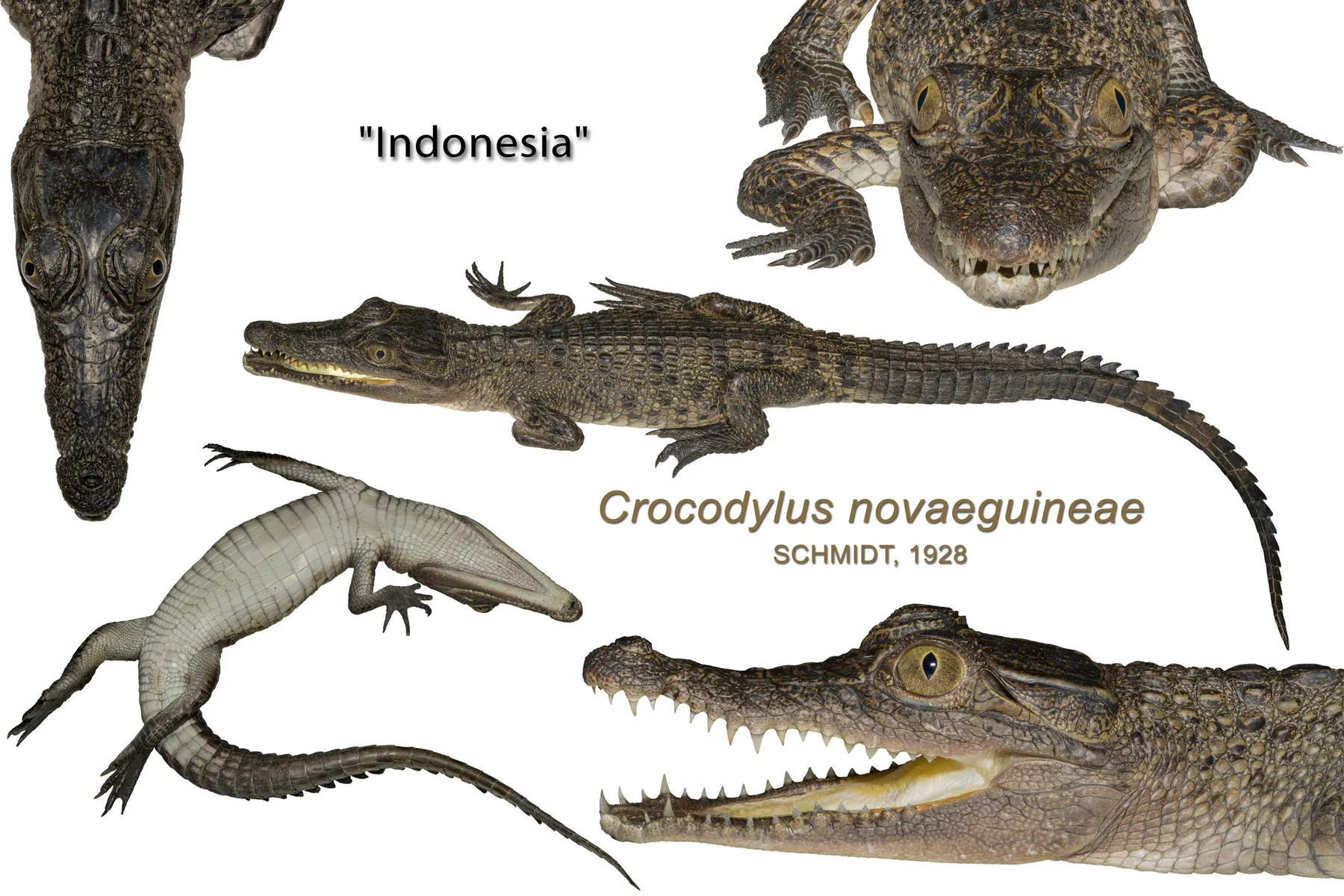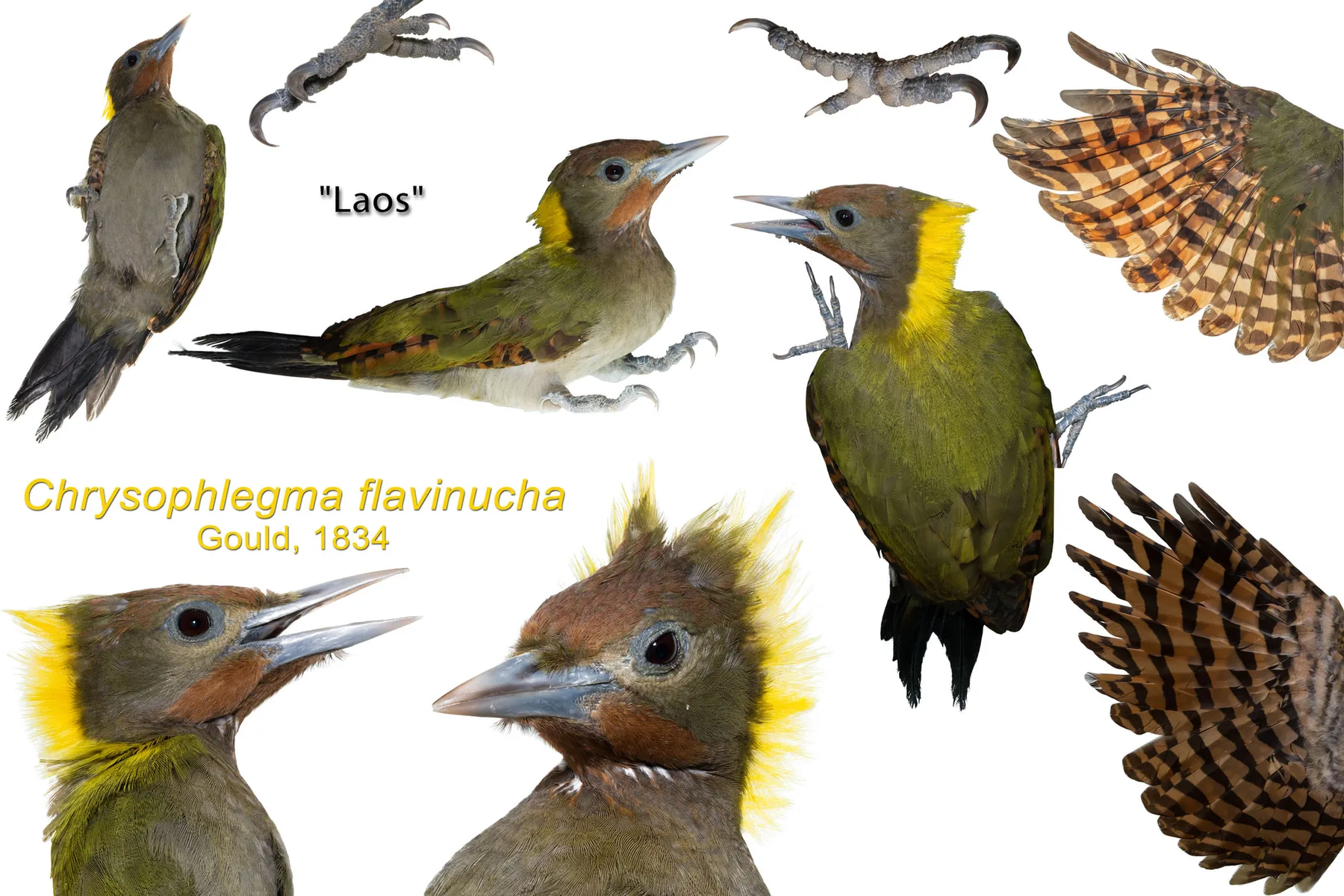
The ID plate is the core unit of Taxa Naturae. It is a standardized, high-resolution visual document of a single specimen, designed to serve as a permanent reference for that species. Unlike ordinary photographs, each plate is built to show the animal with maximum clarity and completeness, so that researchers, students, and future generations can study its external anatomy in detail without needing the physical specimen in front of them.
Multiple carefully chosen angles are essential. A single view, no matter how sharp, always hides part of the animal. By photographing the same individual from several standardized positions — typically dorsal, lateral, ventral, and often additional diagnostic views — the plate reveals the full three-dimensional form. Scale, proportions, surface texture, colour patterns, and fine morphological characters become visible together. This approach turns a set of images into a reliable visual description of the specimen.
This level of documentation has been rare until now. While many species have been photographed, most images are opportunistic, uneven in quality, or limited to one or two angles. Very few projects have systematically produced museum-grade, multi-view plates of the same individual under controlled conditions. As a result, the external anatomy of countless species — especially small insects, amphibians, and other less charismatic groups — remains incompletely recorded in the visual record.
High-quality multi-angle plates matter because they create a durable baseline. In a time of rapid biodiversity loss, many species may disappear before they are fully studied. A precise visual record preserves information that would otherwise be lost, supports taxonomic work, aids identification, and gives future scientists a clear reference long after the living animal is gone.