
Our Story
Since 2015
Recording life on Earth
In 2015, Nathanael Maury began what would become a life’s work.
At that time, he was already deeply involved with reptiles and amphibians. Years of experience in animal parks, breeding projects, and field observation had shown him a clear and troubling gap: there was no complete, high-quality photographic record of the world’s herpetofauna. Many species had never been properly photographed. Others were known only from old descriptions, damaged specimens, or incomplete images. Meanwhile, habitats were disappearing and species were vanishing before anyone had taken the time to document them carefully.
He decided to do the work himself.
The approach was rigorous. Animals were photographed with care and precision — whether observed in the field or in controlled conditions — always with the goal of producing clear, useful images that could serve for identification and long-term documentation. The original focus was on reptiles and amphibians: snakes, lizards, turtles, crocodilians, frogs, and other amphibians. Expeditions and photographic sessions followed one after another. Over the years, thousands of species were added to the growing archive.
During these same years, other subjects were already present. Nathanael taught his wife orchid photography, and she is the one who carries out that work. He also photographed birds and fish whenever the opportunity arose. These images were made with the same attention, but they remained secondary to the main herpetological work.
The real turning point came with the collaboration with Pasteur Cambodia and the design of Studio V3.
The construction of the studio changed the practical possibilities of the project. For the first time, there was a dedicated professional workspace designed for systematic photographic documentation. Once the studio was operational, Nathanael began photographing insects in a structured way. The controlled conditions and proper equipment allowed a level of precision that opened new directions.
From that moment, the scope of the project expanded. What had started as an attempt to document reptiles and amphibians became something larger. The same careful approach was gradually applied to insects, birds, plants, fungi, mushrooms, and other groups. The project took the name Taxa Naturae — a long-term effort to record all life on Earth.
Throughout these eleven years, the work has remained entirely self-supported. Nathanael continues to work at a turtle sanctuary in order to finance the project. There is still no external institutional support. The entire effort is sustained by him and by his wife.
Eleven years after the first photographs were taken, the work continues with the same original purpose: to create a lasting, accurate visual record of the living world.
Taxa Naturae — the project of recording all life on Earth by Nathanael Maury.

Somchit Sudavanh


The Origin
Why it started
The project was born from a realization that a complete, standardized visual record of the world’s reptiles and amphibians did not exist, even as species were being lost to extinction. Nathanael decided to document them using strict field protocols that ensure clinical precision while maintaining his deep connection to the subjects.
2015–2023
The first nine years
During this period, the archive focused exclusively on herpetofauna. Global expeditions were launched to build a rigorous photographic archive, culminating in documentaries and public sharing of findings to highlight the importance of these often-overlooked species in their natural ecosystems.


Since 2024
The expansion
In recent years, the mission widened its scope to all forms of life—including birds, insects, mammals, plants, and fungi. We apply the same rigorous taxonomic approach to every subject, ensuring that the archive reflects the true diversity of life on Earth across all kingdoms.

What Taxa Naturae is today
4939 IDplates
Taxa Naturae is a long-term independent project led by Nathanael Maury, dedicated to the construction of a complete visual archive of life on Earth. Combining rigorous field work with taxonomic precision and clinical photography, the initiative serves as a bridge between scientific research and public awareness. Today, the project continues to evolve through global expeditions and is open to collaboration and support from individuals and institutions who share our commitment to recording the planet's biodiversity before it is lost.
Portfolio
Our office


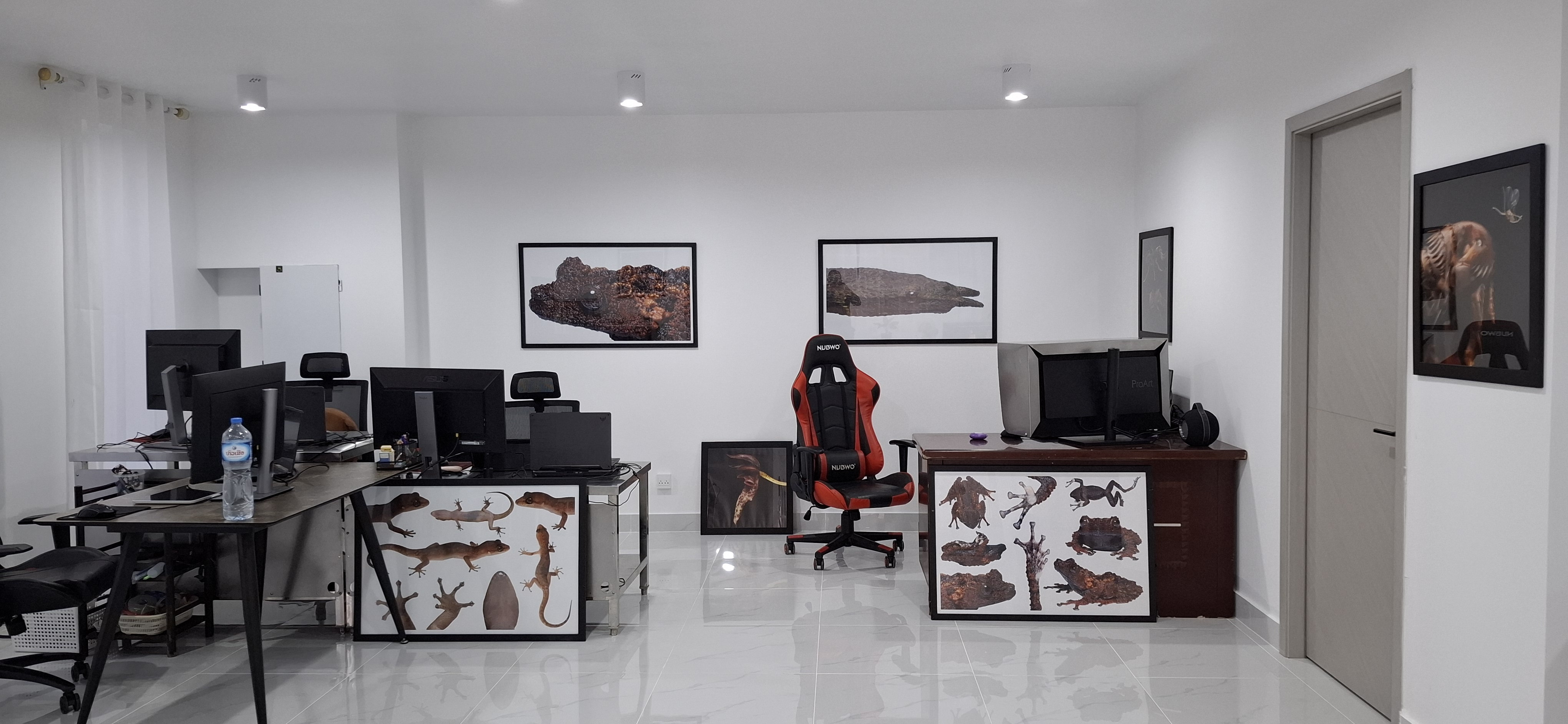
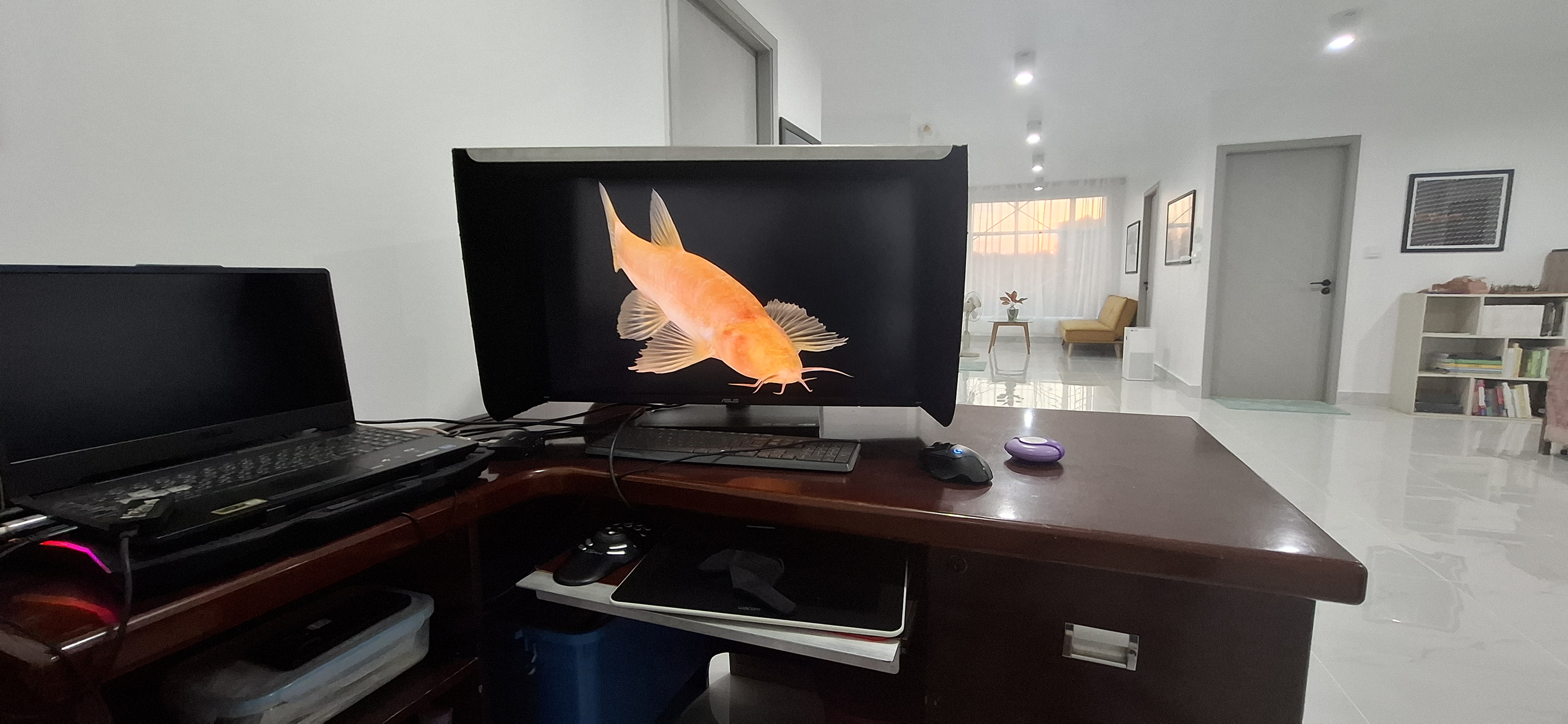
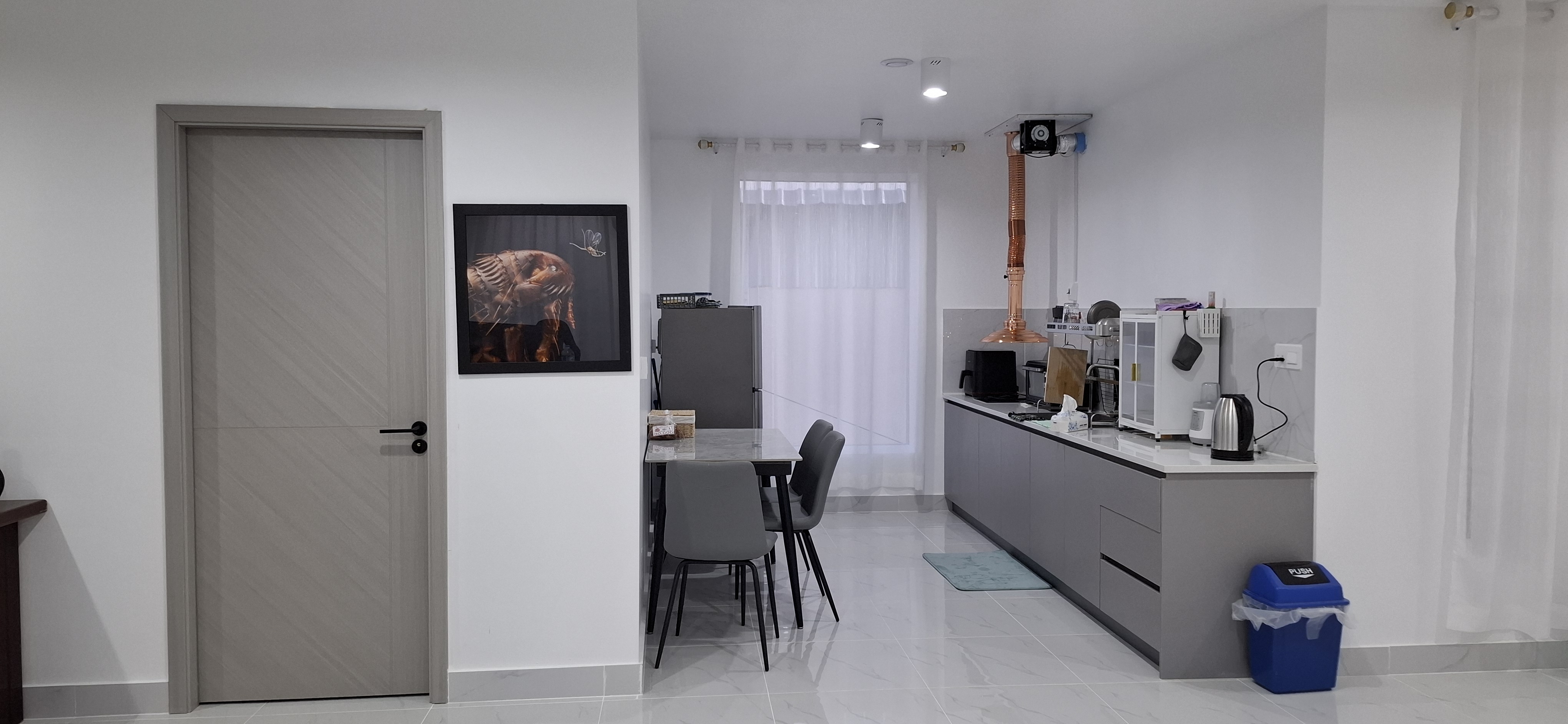
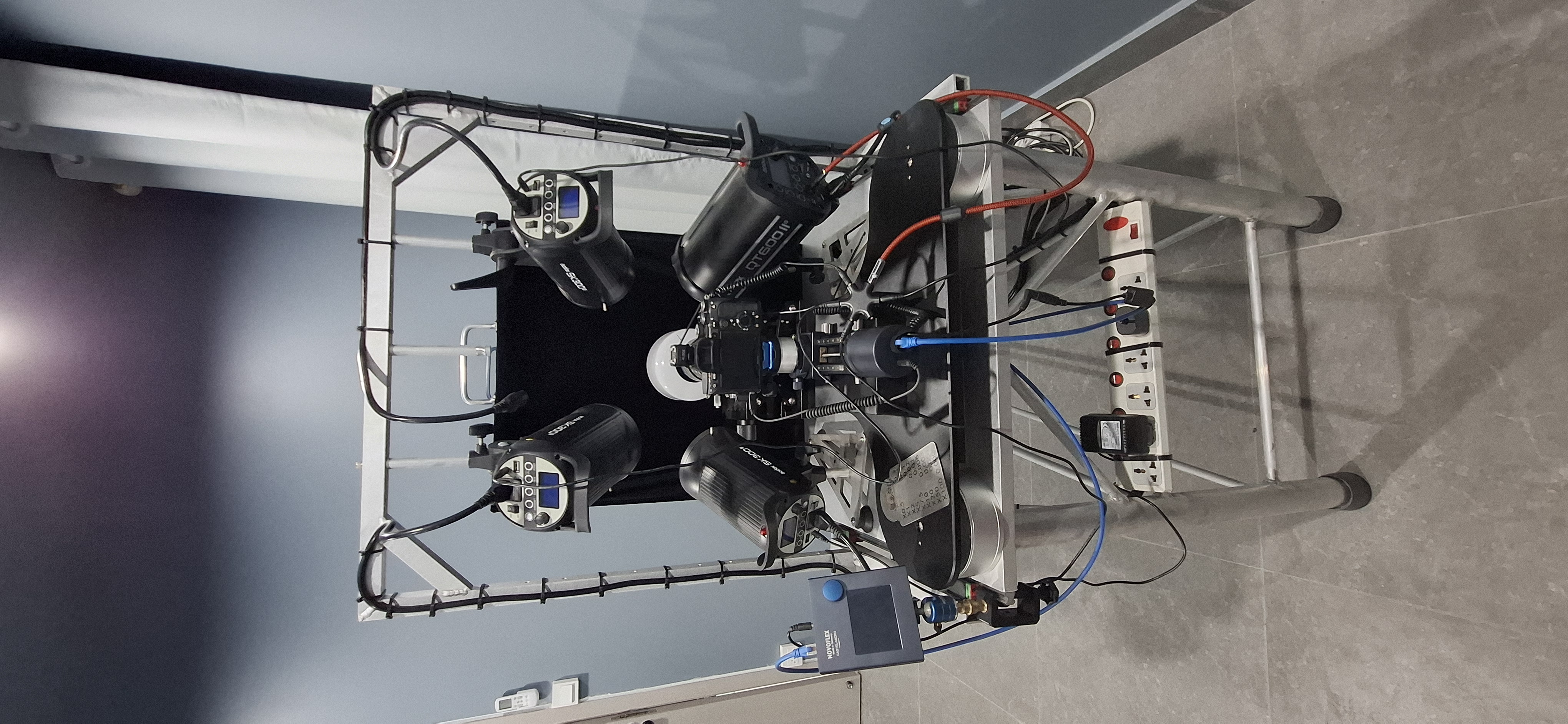
So far we are entirely self-funded. My wife and I decided to split our current house in half, dedicating one half of it to TAXA NATURÆ project. At present the team consists of me, my wife, and two staff members, all supported by my salary from the turtle sanctuary.