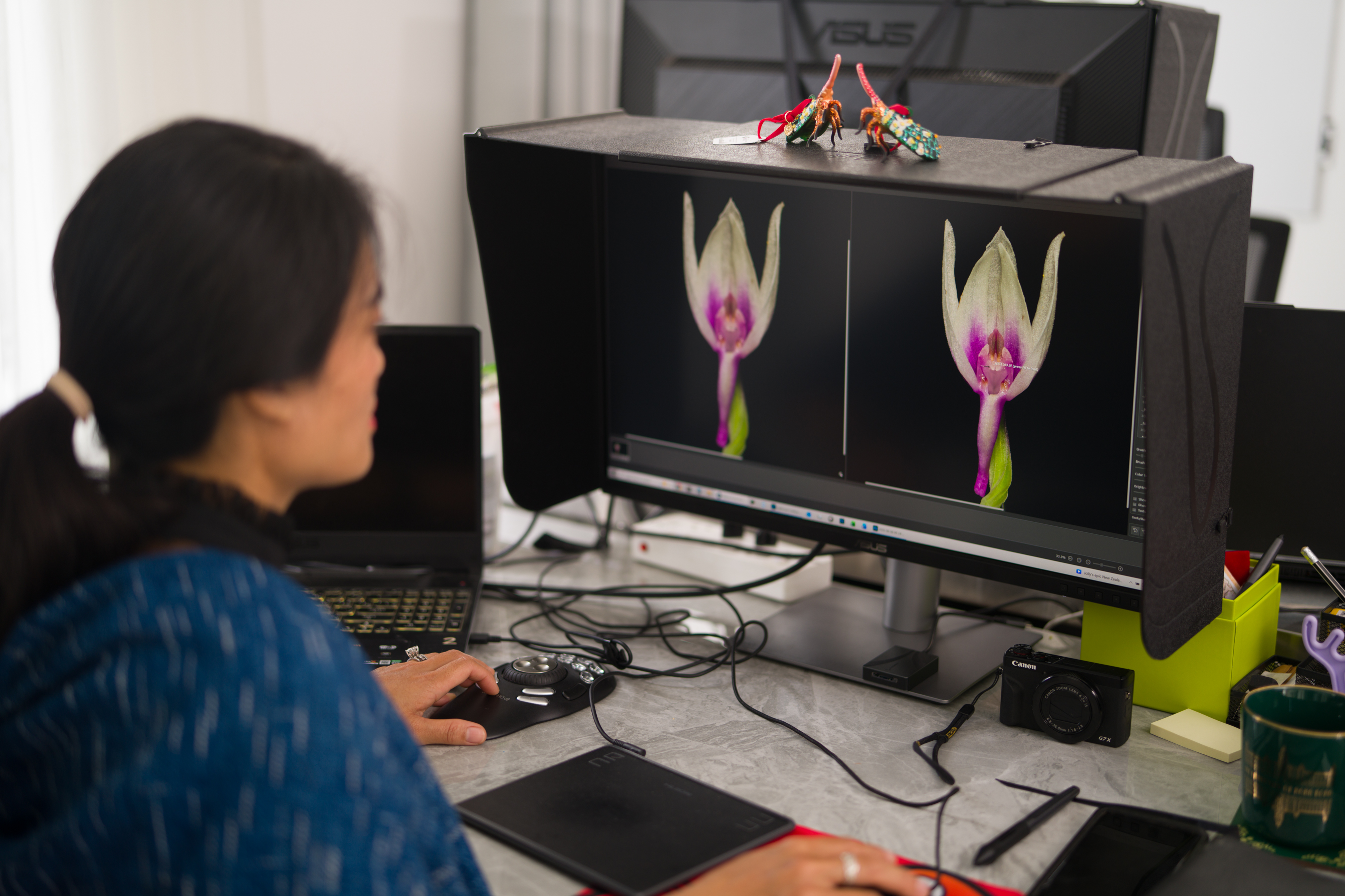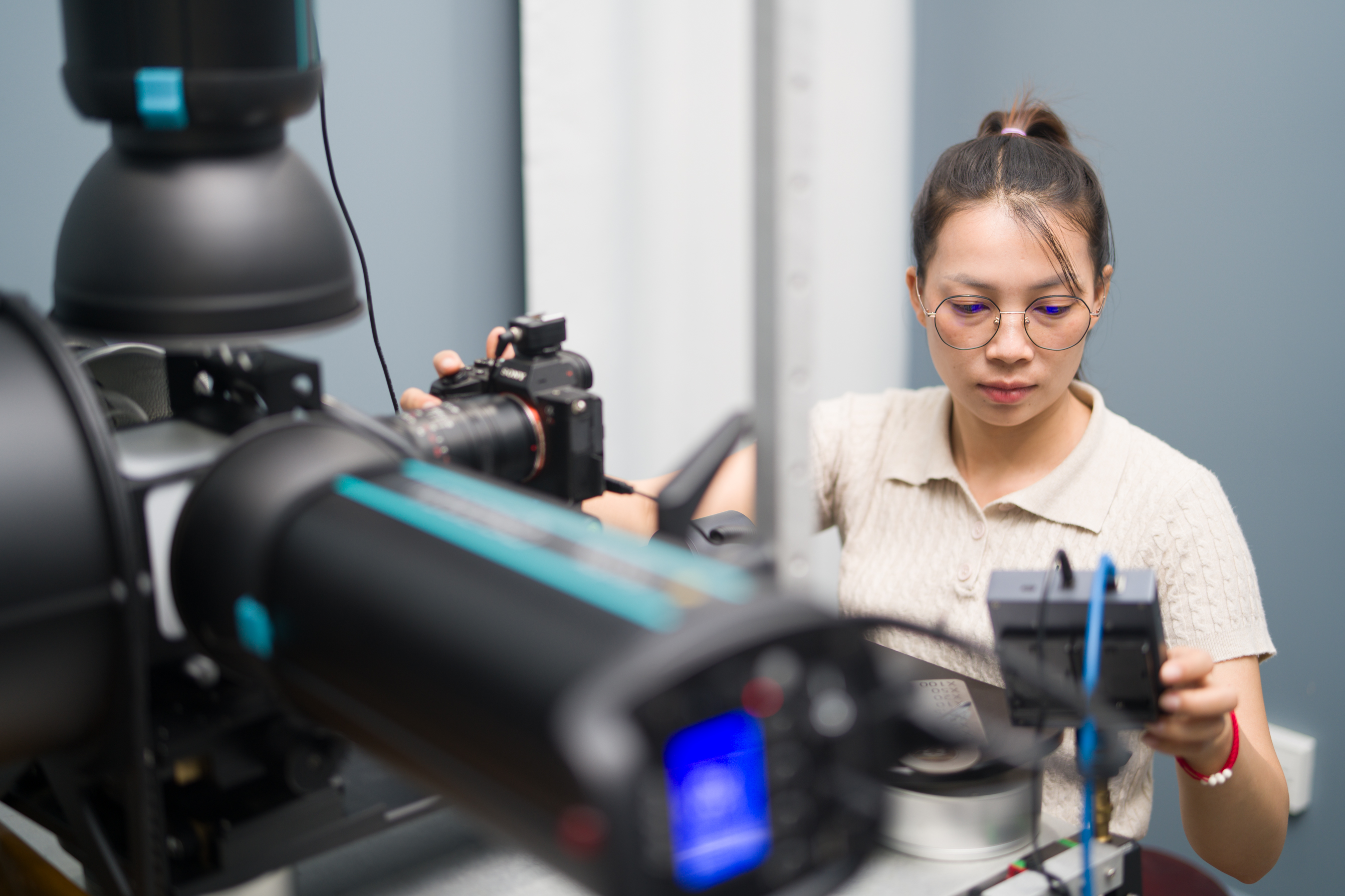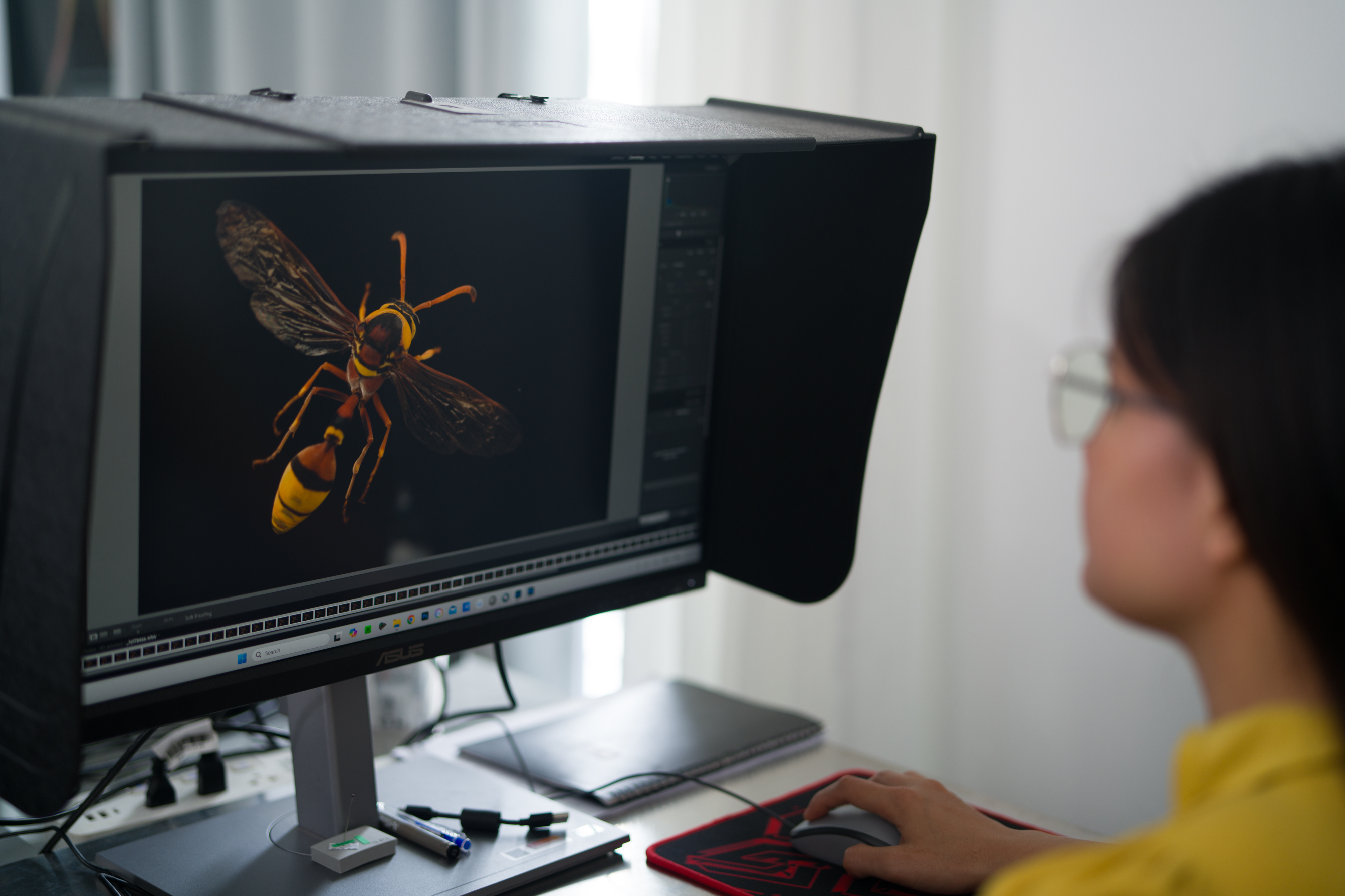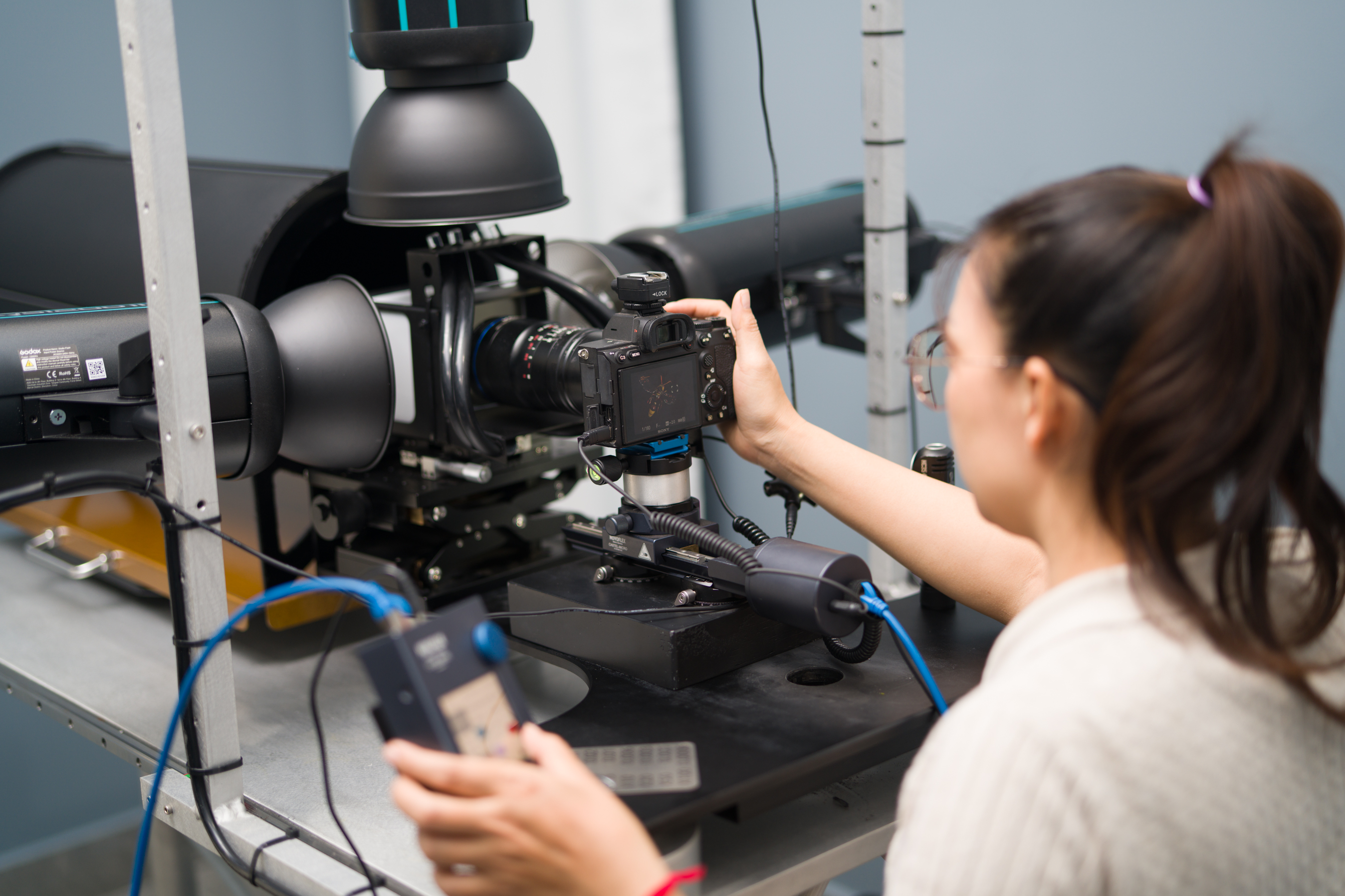

TAXA NATURÆ is a long-term scientific and photographic project dedicated to creating the most complete high-quality visual record of life on Earth. Its core work is the production of standardized, museum-grade ID plates — multiple carefully composed, focus-stacked views of each species. The project covers the full spectrum of biodiversity: reptiles and amphibians, insects and micro-arthropods, fish, birds, orchids and other vascular plants, mushrooms and fungi, and beyond. No group is excluded.
The goal is simple and immense: to document as many species as possible while they still exist. In an era of accelerating extinction, countless organisms will disappear without ever having been properly photographed or recorded. TAXA NATURÆ exists to prevent that silence. Each plate becomes a permanent visual reference — a precise, beautiful, and scientifically useful portrait that future researchers, educators, and citizens can still consult long after the living organism is gone.
The work follows a clear method. Specimens and living organisms are mostly found in the field, across forests, rivers, mountains and coasts. They are then photographed under controlled conditions to produce sharp, detailed, multi-angle plates. The resulting images are archived, organized, and progressively published through books and the dedicated website taxanaturae.org. Funding is being built through direct support and species dedications, so that every contribution helps produce the next plates.
Today the project stands on eleven years of continuous work. More than 4,939 ID plates have already been completed by a small team led by Nathanaël Maury, largely self-funded and based in Laos. a proven technique, a growing archive across multiple groups of life, the first books in preparation, and a new public home online. The next phase is steady expansion — more plates, more volumes, greater visibility, and a widening circle of supporters — while keeping the same standard of quality.
If sustained, TAXA NATURÆ can become one of the essential visual encyclopedias of the living world: a lasting, high-resolution baseline of biodiversity created at the last moment it was still possible. It will not save every species, but it will ensure that many of them, from the largest vertebrate to the smallest fungus, are not forgotten.